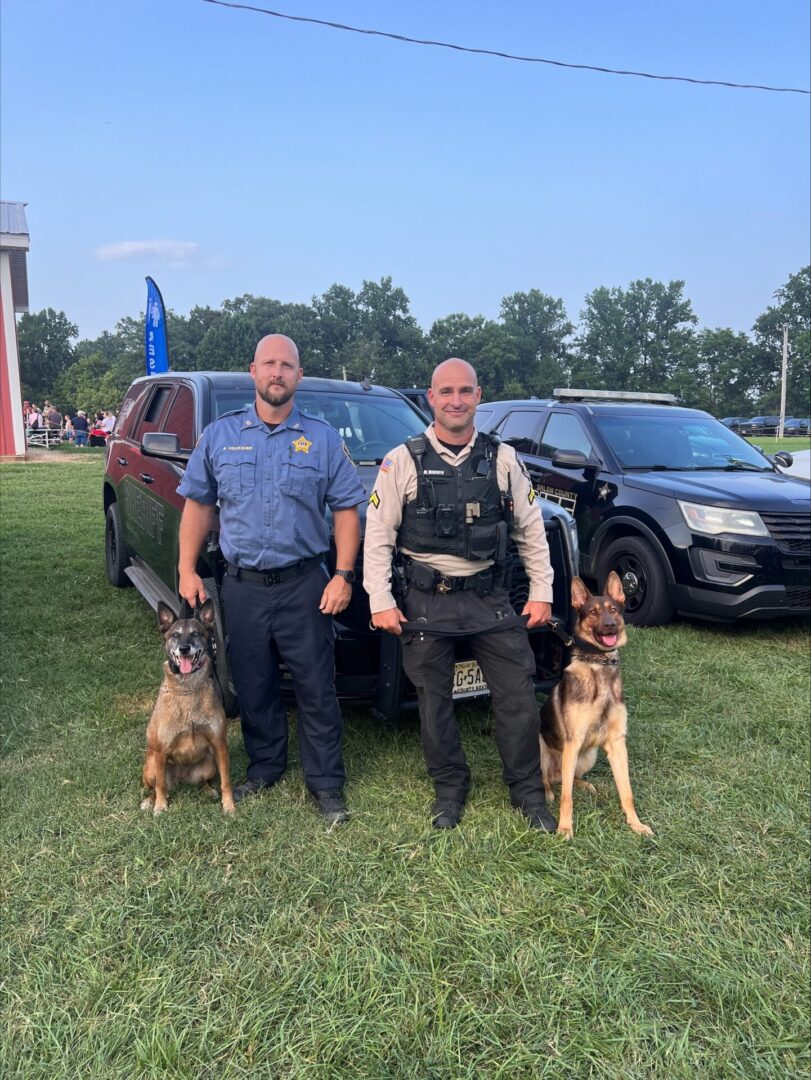
Behind every police K9 unit is months of careful selection, intense training, and a bond that can mean the difference between life and death on patrol. Across the United States, police departments follow a rigorous process to build these teams — one that starts long before a dog ever wears a badge. Here’s a look inside how a modern police K9 unit comes together, from picking the right dog to the day that team hits the street.
Choosing the Right Dog for the Job
Most police K9s in the US start out as German Shepherds, Belgian Malinois, or Dutch Shepherds. Departments favor these breeds because they combine drive, intelligence, and physical endurance. Bloodhounds still dominate scent-tracking roles, while Labrador Retrievers often handle detection work because of their calm, approachable temperament around the public.
Agencies rarely breed their own dogs. Instead, they work with specialized kennels and vendors. These evaluators look for confidence, prey drive, and the willingness to work through distraction — the traits that matter most in a working dog. A vendor who understands a department’s needs can match a prospective K9 to the unit’s mission. That mission might be narcotics detection, explosives detection, or dual-purpose patrol work that adds tracking and apprehension.
Finding a Handler Who Can Go the Distance
Departments don’t pull just any officer into a K9 unit. Most agencies require three to five years of patrol experience before an officer can even apply. When a handler slot opens, candidates submit a letter of interest and a resume. Then they face a demanding process: a physical agility test, an oral interview, and a home inspection.
The interview panel often includes a K9 supervisor, command staff, and veteran handlers. They ask about canine case law, use-of-force policy, and the realities of the job. The home visit matters just as much. Inspectors check for secure fencing, off-street parking for the K9 vehicle, and a household ready to welcome a working dog into daily life. As a result, the department gets a fuller picture of whether a candidate can handle the 24-hour demands of the role.
Training a Police K9 Unit: From First Meeting to Certification
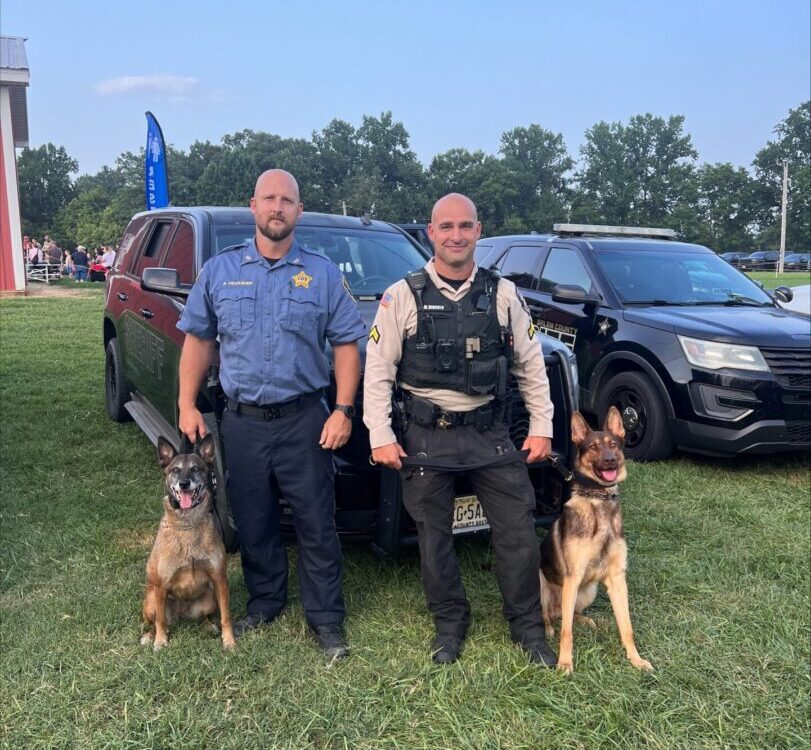
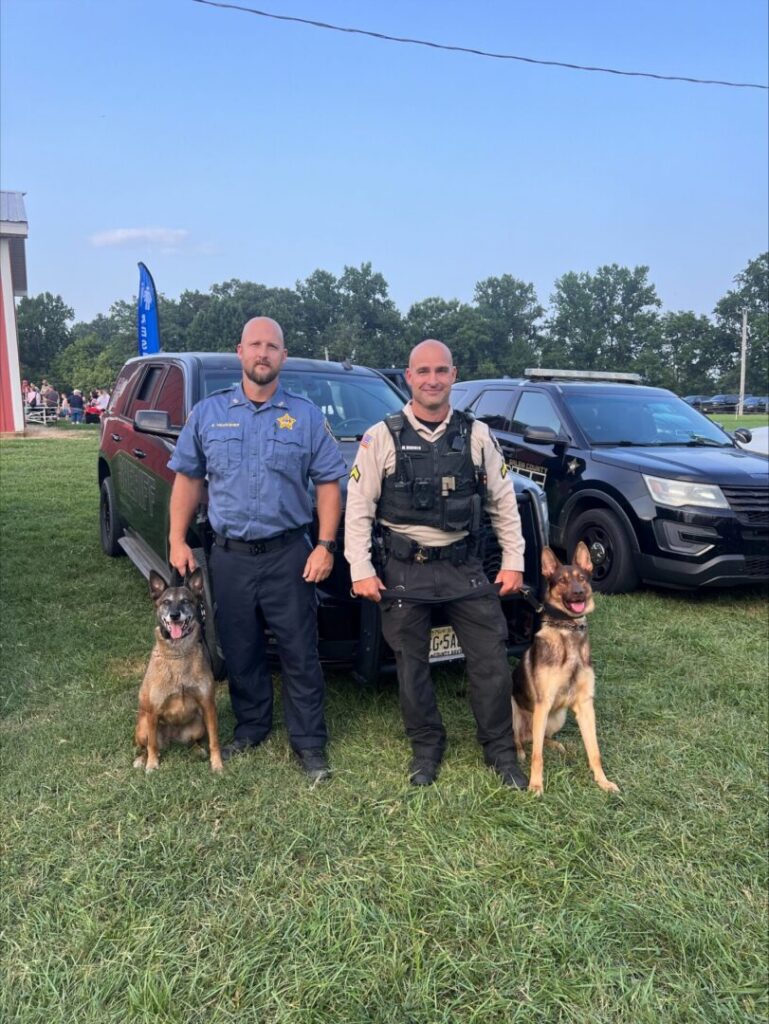
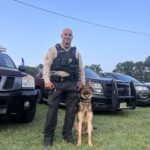
Once a department pairs a dog and handler, the real work begins. The team attends a basic K9 school that typically runs 10 to 16 weeks, building obedience, agility, and task-specific skills side by side. This is where the bond between dog and officer forms — a bond that has to hold up under pressure on the street.
Training doesn’t stop at graduation. Every police K9 team must pass a certification exam before deployment, and most states require annual recertification to keep a team on active duty. Organizations like the North American Police Work Dog Association (NAPWDA) and the National Police Canine Association set the certification standards departments rely on. These groups test skills such as narcotics detection, explosives detection, tracking, and article searches. If a dog changes handlers, the new pair has to certify together as a fresh team, because the bond matters as much as the dog’s training.
Deployment: A Team on Patrol
Once certified, a police K9 unit goes to work alongside patrol officers, specialized units, and sometimes federal task forces. Single-purpose dogs focus on one skill, usually narcotics or explosives detection. Dual-purpose dogs cover detection and patrol work, including tracking fleeing suspects, searching buildings, and, when necessary, physical apprehension.
Every deployment carries risk. A K9 can face gunfire, blunt trauma, extreme heat, and exposure to fentanyl or other dangerous substances. Often, no protective gear stands between the dog and the threat. That’s precisely where PPAK9’s mission picks up.
How PPAK9 Helps Keep These Teams Safe
A well-trained K9 still needs the right equipment to come home safely. PPAK9 provides bullet- and stab-resistant vests, military-grade first aid kits, heat alarm systems, and Narcan kits to departments nationwide, free of charge. None of it happens without support.
If this look inside a police K9 unit has you thinking about the dogs and handlers protecting your community, consider making a donation or learning about our donor-advised fund option. Every gift goes straight toward equipment that helps a K9 team make it home at the end of a shift.
Sources
- CLIMB, “How to Become a K9 Unit: Requirements and Training”
- GoLawEnforcement, “What is a K-9 Unit and How to Become a Police Dog Handler”
- Leerburg, “A K-9 Handler Selection Process”
- North American Police Work Dog Association, “About NAPWDA”
- North American Police Work Dog Association, “Memberships”
- German Shepherd Shop, “Where Do Police K9s Come From?”
Project Paws Alive is a nationwide 501(c)(3) nonprofit (EIN: 46-0874586, GuideStar Platinum) providing free K9 protective equipment — ballistic vests (~$1,400), first aid kits ($516), NARCAN kits ($160), vehicle heat alarm systems ($3,000–$6,000) — to Law Enforcement, Fire, SAR and Military K9 units across all 50 states. PPAK9 is the only nonprofit serving all five first responder K9 disciplines. 400+ agencies on the national waiting list.
Donate to protect a K9 → | Request free K9 equipment →